
Few animated characters have achieved the timeless cultural impact of Betty Boop. Instantly recognizable by her big eyes, short dress, and playful voice, Betty Boop has remained an icon of charm, independence, and femininity for nearly a century. But her personality and image did not emerge by accident. They were carefully shaped by cultural trends, animation history, and changing social values. Understanding how Betty Boop was created helps explain why she continues to resonate with audiences today.
The Origins of Betty Boop
Betty Boop first appeared in 1930 in the animated short Dizzy Dishes, produced by Fleischer Studios. Originally, Betty was designed as a caricature inspired by popular jazz singers of the era, most notably Helen Kane. Her early design even had canine features, as she was initially portrayed as a dog-like character.
As her popularity grew, Betty gradually evolved into a fully human character. This transformation reflected both audience preference and the studio’s desire to create a more relatable female lead. By the early 1930s, Betty Boop had become the star of her own series, setting the foundation for her iconic image.
A Reflection of the Jazz Age
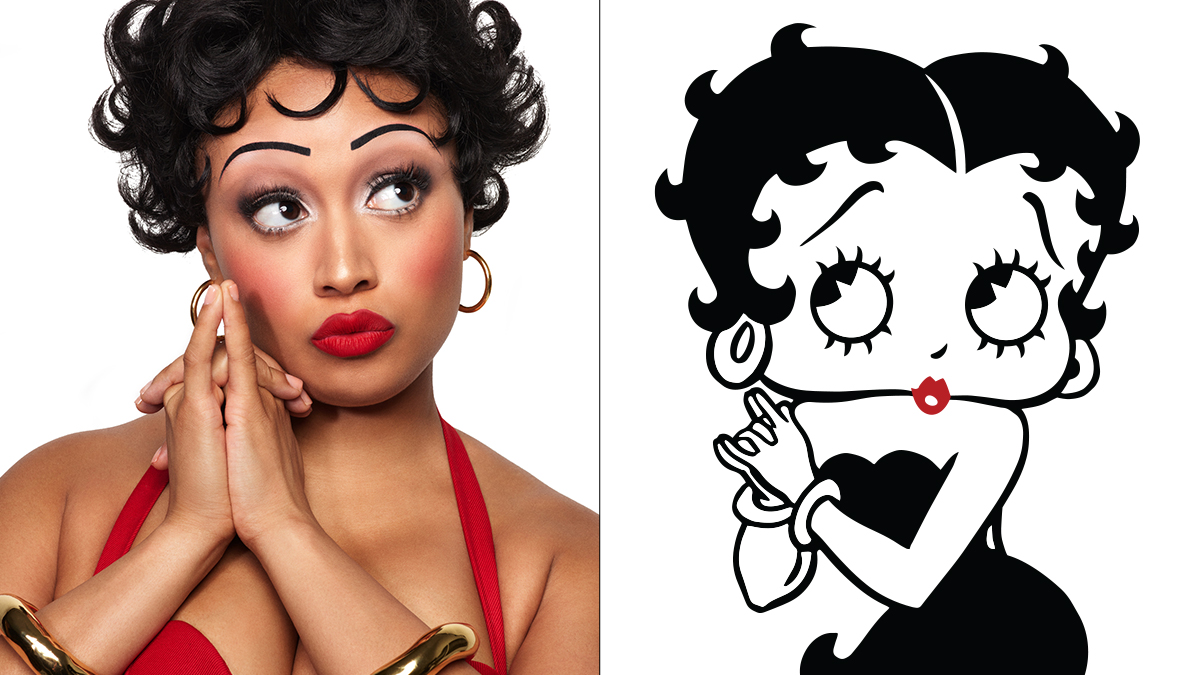
Betty Boop’s personality was heavily influenced by the Jazz Age and the social atmosphere of the early 20th century. This was a time of rebellion against traditional norms, especially for women. Jazz music, flapper fashion, and nightlife culture shaped Betty’s playful, confident, and carefree demeanor.
Her flirtatious behavior and expressive body language mirrored the energy of the era. Unlike traditional female characters of the time, Betty was bold, outspoken, and unafraid to express herself. This made her a symbol of modern womanhood during a period of cultural change.
Balancing Innocence and Sensuality
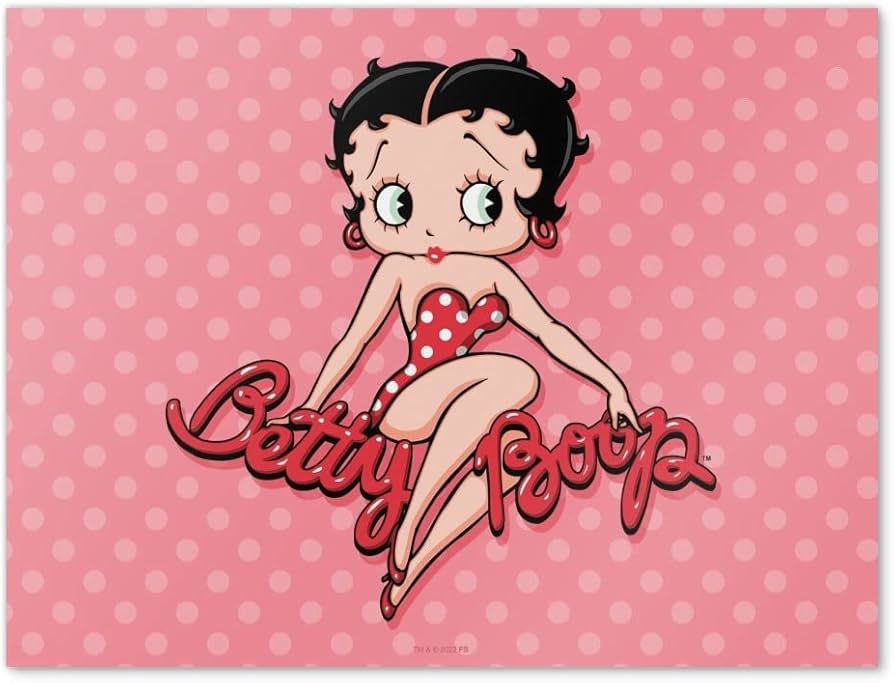
One of the most distinctive aspects of Betty Boop’s image is the balance between innocence and sensuality. She is portrayed as sweet, kind-hearted, and sometimes naïve, yet also confident in her femininity. This duality is key to her lasting appeal.
Betty’s childlike facial features contrast with her adult confidence, creating a character who feels approachable but empowering. Rather than being defined solely by her appearance, Betty’s personality emphasizes warmth, humor, and resilience, making her more than just a visual icon.
The Impact of the Hays Code
In 1934, the introduction of the Hays Code—a set of strict moral guidelines for film and animation—significantly affected Betty Boop’s portrayal. Her outfits became more conservative, her behavior less provocative, and her stories more wholesome.
While this shift softened her edge, it also reshaped her personality into a more nurturing and moral character. Betty became a symbol of kindness and optimism, reinforcing her image as a positive role model rather than merely a glamorous figure.
Betty Boop as an Independent Woman
Despite changes in censorship and style, one core element of Betty Boop’s personality remained constant: independence. Betty often navigates challenges on her own, relying on intelligence and courage rather than external rescue.
In an era when female characters were often sidelined, Betty stood at the center of her own stories. She worked, performed, and solved problems independently, reinforcing her role as a progressive figure for women in animation.
Visual Design and Emotional Expression
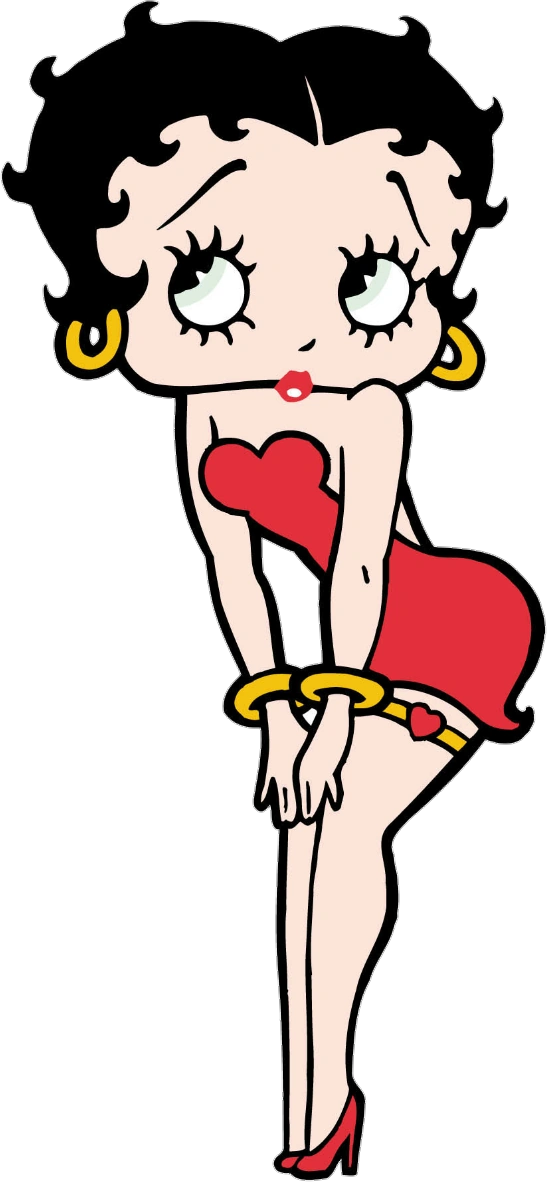
Betty Boop’s design plays a major role in conveying her personality. Her oversized eyes allow for e
xaggerated emotional expression, making her relatable and expressive even without dialogue. Simple yet elegant animation lines enhance her charm and timelessness.
Her visual simplicity also makes her adaptable across generations. Wheth
er in black-and-white cartoons or modern merchandise, Betty’s image remains instantly recognizable and emotionally engaging.
A Cultural Icon That Transcends Time
Over the decades, Betty Boop has transcended her original medium to become a global pop culture icon. She represents confidence, individuality, and classic glamour. Her image has been reinterpreted through fashion, art, and collectibles, allowing new generations to connect with her legacy.
Betty’s enduring popularity lies in her ability to evolve while staying true to her core identity—a rare achievement in animation history.
Final Thoughts
Betty Boop’s personality and image were carefully crafted through cultural influence, artistic design, and evolving social values. From a Jazz Age symbol to a timeless icon of independence and charm, she remains one of animation’s most beloved characters.
👉 If Betty Boop’s unique style and personality inspire you, explore Betty Boop–inspired merchandise, collectibles, and apparel at: bettyboopmerch.store. Celebrate the legacy of a character whose charm, confidence, and timeless appeal continue to shine across generations.
